Understanding Asphalt Needs: Residential vs. Commercial
Asphalt is a popular choice for both residential driveways and commercial parking lots in Duluth, MN. However, the requirements for each can vary significantly. Understanding these differences is crucial when deciding which option best suits your needs in 2026. This guide will help you compare residential and commercial asphalt options to make an informed decision.
Key Differences Between Residential and Commercial Asphalt
Residential Asphalt
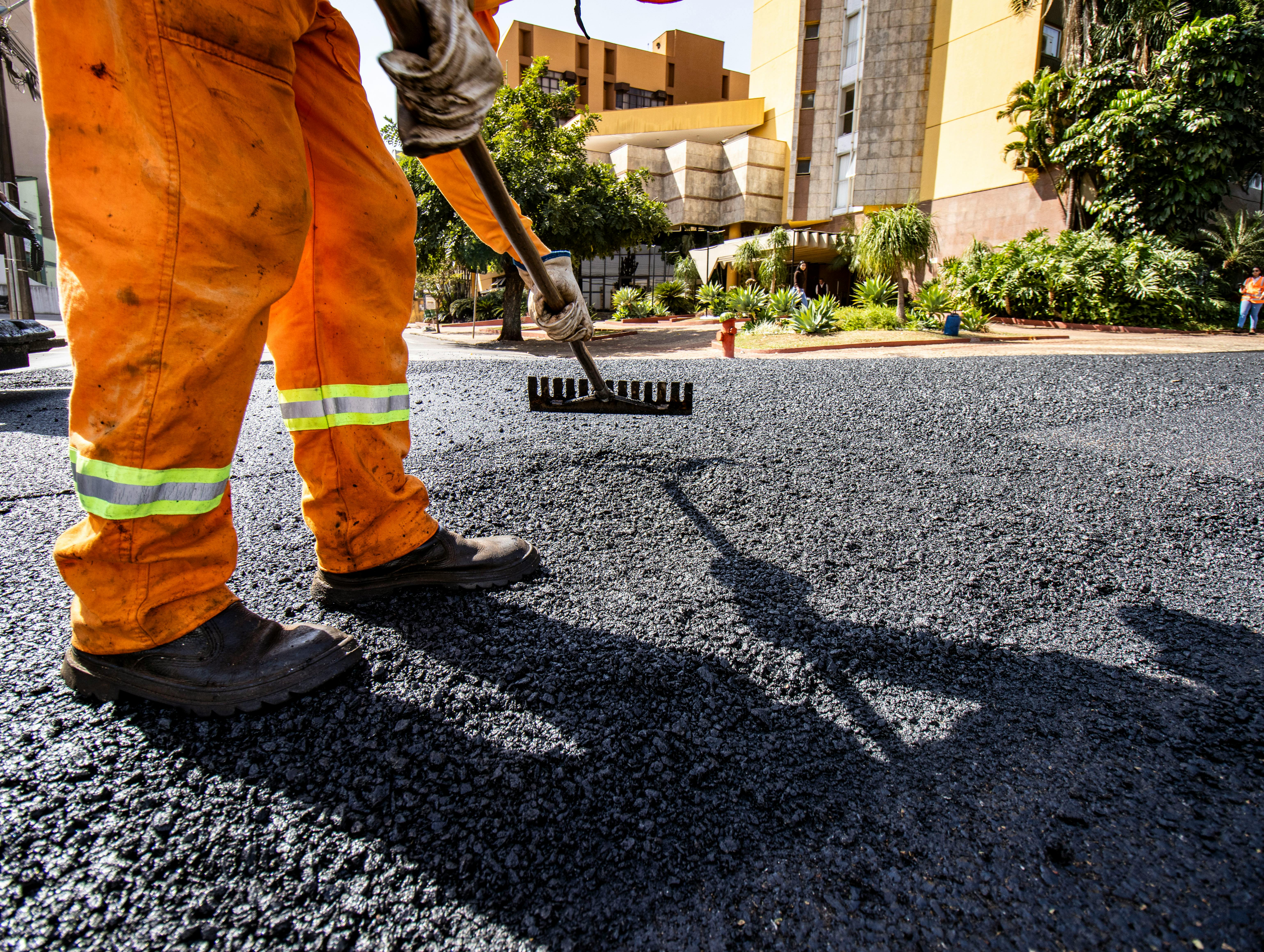
Residential asphalt is typically used for driveways, walkways, and small private roads. Homeowners often prioritize aesthetics and cost-effectiveness, aiming for a smooth finish that enhances curb appeal. In 2026, sustainability and eco-friendly materials are also becoming increasingly important to homeowners.
- Thickness: Residential asphalt is usually thinner, around 2-3 inches, due to lighter load requirements.
- Cost: Generally less expensive than commercial asphalt due to the smaller scale of projects.
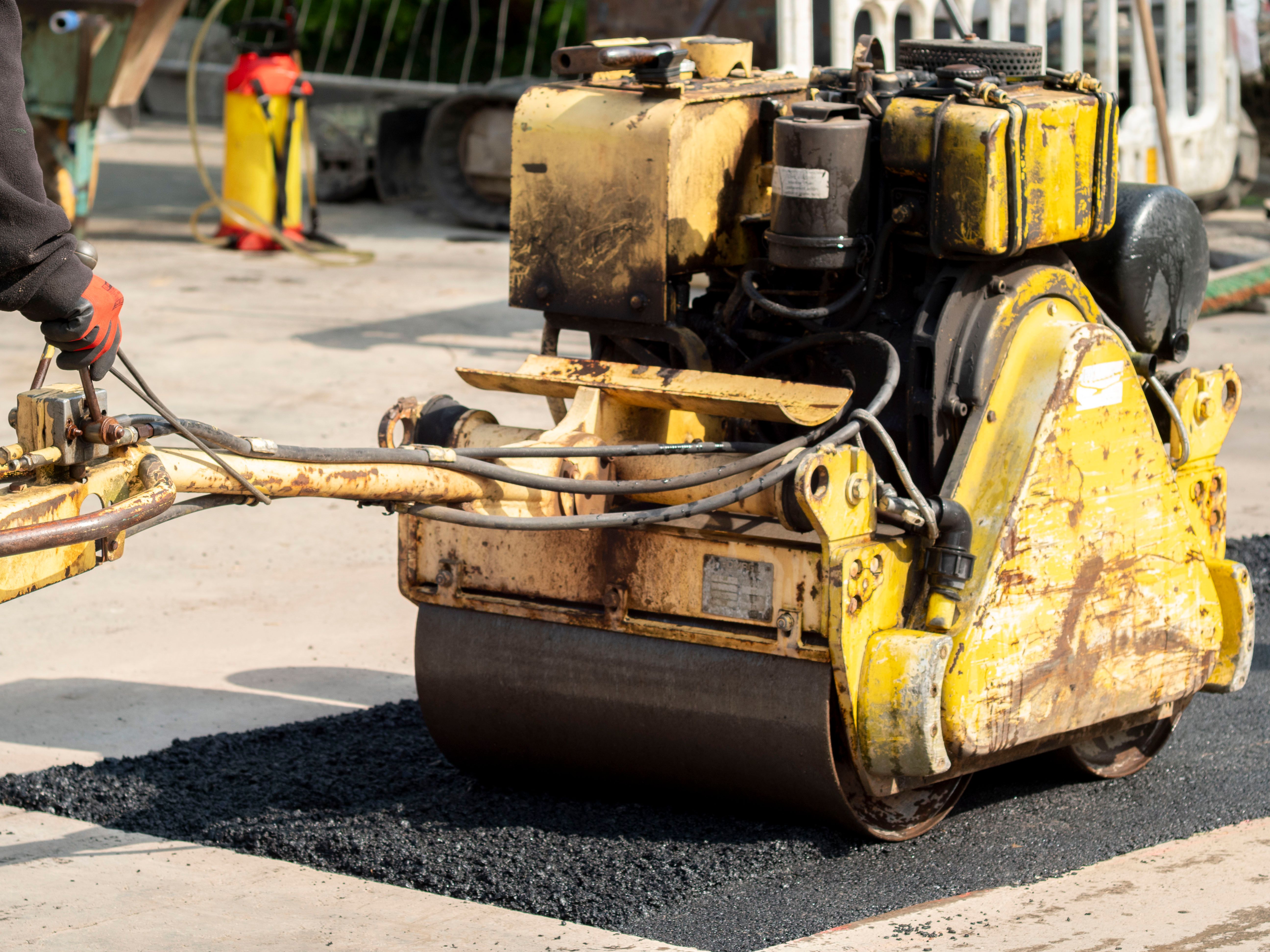
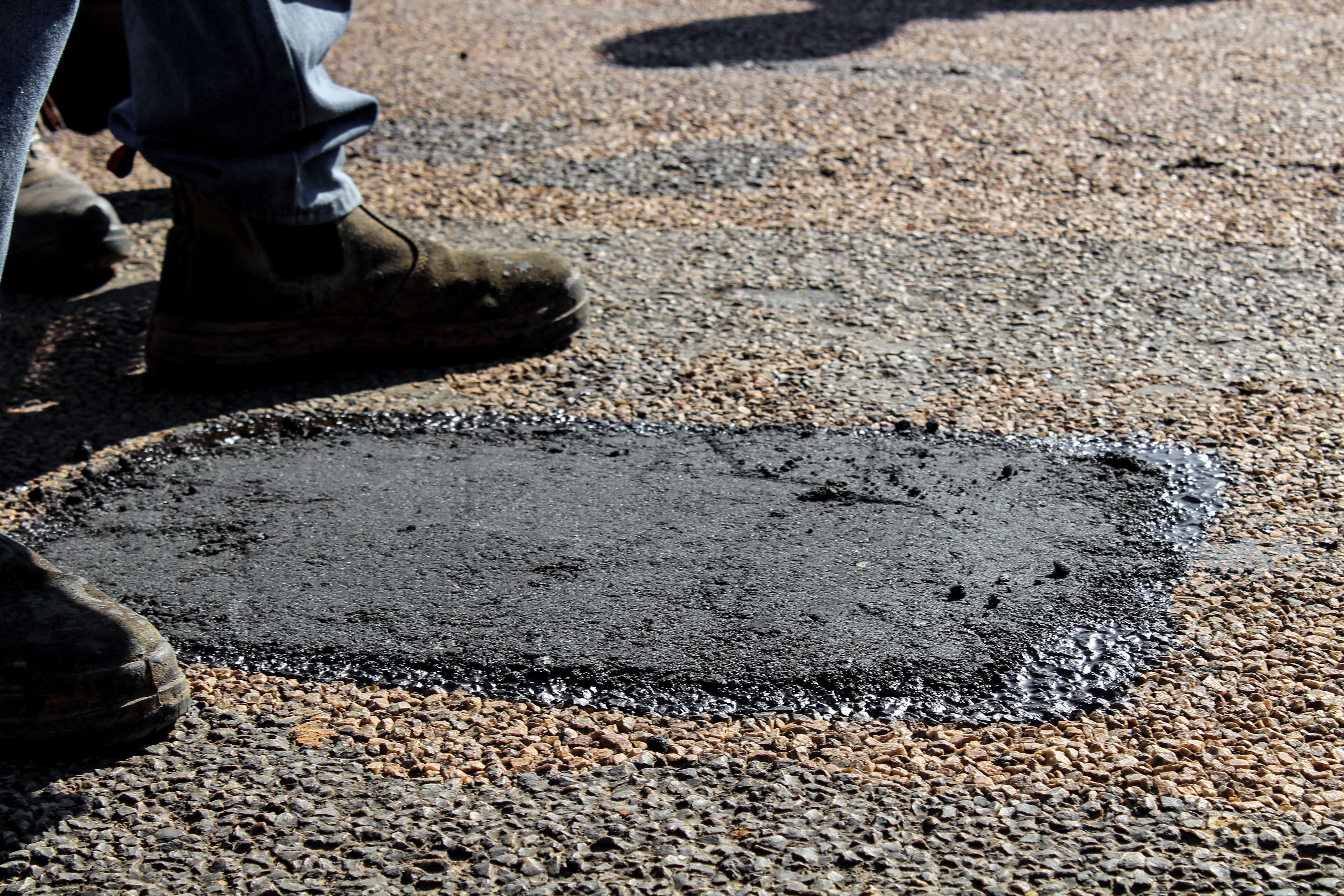
- Maintenance: Requires regular sealing every 2-3 years to maintain its appearance and longevity.
- Environmental Impact: Homeowners are opting for recycled materials to reduce their carbon footprint.
Commercial Asphalt
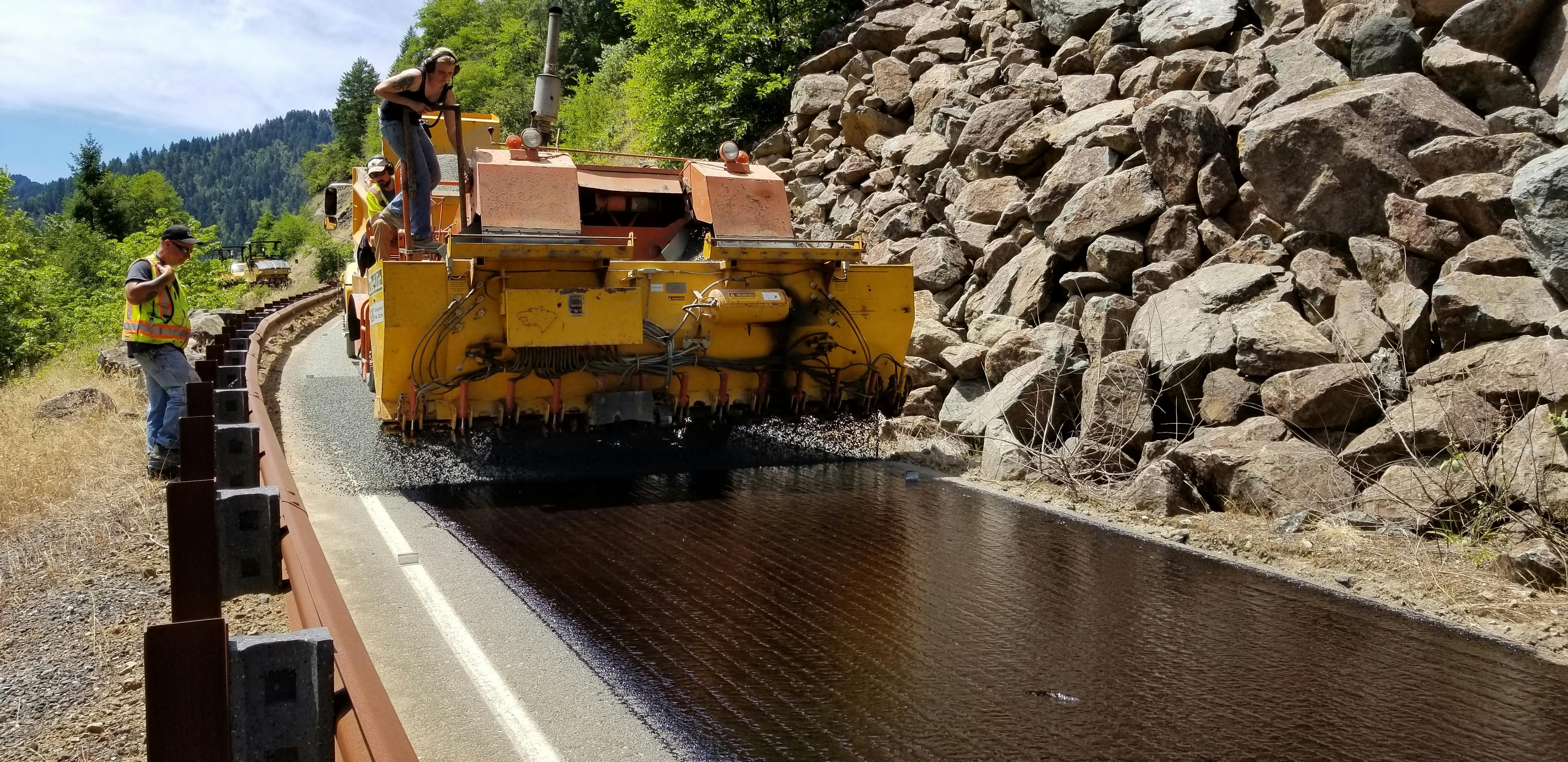
Commercial asphalt is designed for high-traffic areas like parking lots, roadways, and industrial sites. These projects require durable materials that can withstand heavy vehicles and constant use. In 2026, the focus is on durability, safety, and compliance with local regulations.
- Thickness: Typically ranges from 4-6 inches to support heavier loads and frequent use.
- Cost: Higher due to increased material and labor requirements, but necessary for durability.
- Maintenance: Involves more frequent inspections and repairs to ensure safety compliance.
- Compliance: Must meet ADA standards and other local regulations, which can affect design and installation.
Choosing the Right Asphalt for Your Needs
When selecting the right asphalt solution, consider the specific needs of your property. Here are some factors to guide your decision:
- Traffic Volume: Higher traffic areas require more robust commercial asphalt solutions.
- Budget: Balance cost with longevity and maintenance needs. Residential projects can often use thinner layers for cost savings.
- Environmental Considerations: Opt for recycled asphalt materials to align with eco-friendly goals.
- Regulations: Commercial projects must adhere to local regulations, which may dictate specific requirements.
Advantages and Disadvantages
Residential Asphalt
Residential asphalt offers the advantage of lower initial costs and a visually pleasing finish. However, it may not withstand heavy loads and requires regular maintenance to prevent cracks and deterioration.
Commercial Asphalt
Commercial asphalt provides durability and is designed to handle heavy traffic, but it comes at a higher cost. The need for compliance with local regulations can also make these projects more complex.
Conclusion
Choosing between residential and commercial asphalt in Duluth, MN, requires a careful evaluation of your property's needs in 2026. Whether prioritizing cost, durability, or environmental impact, Premier Land Design can help you navigate these options to ensure the best outcome for your project. Contact us today for expert guidance tailored to your specific requirements.